

Here’s a fun one. Your personal AI agent and the latest scam store want exactly the same thing: to complete the transaction.
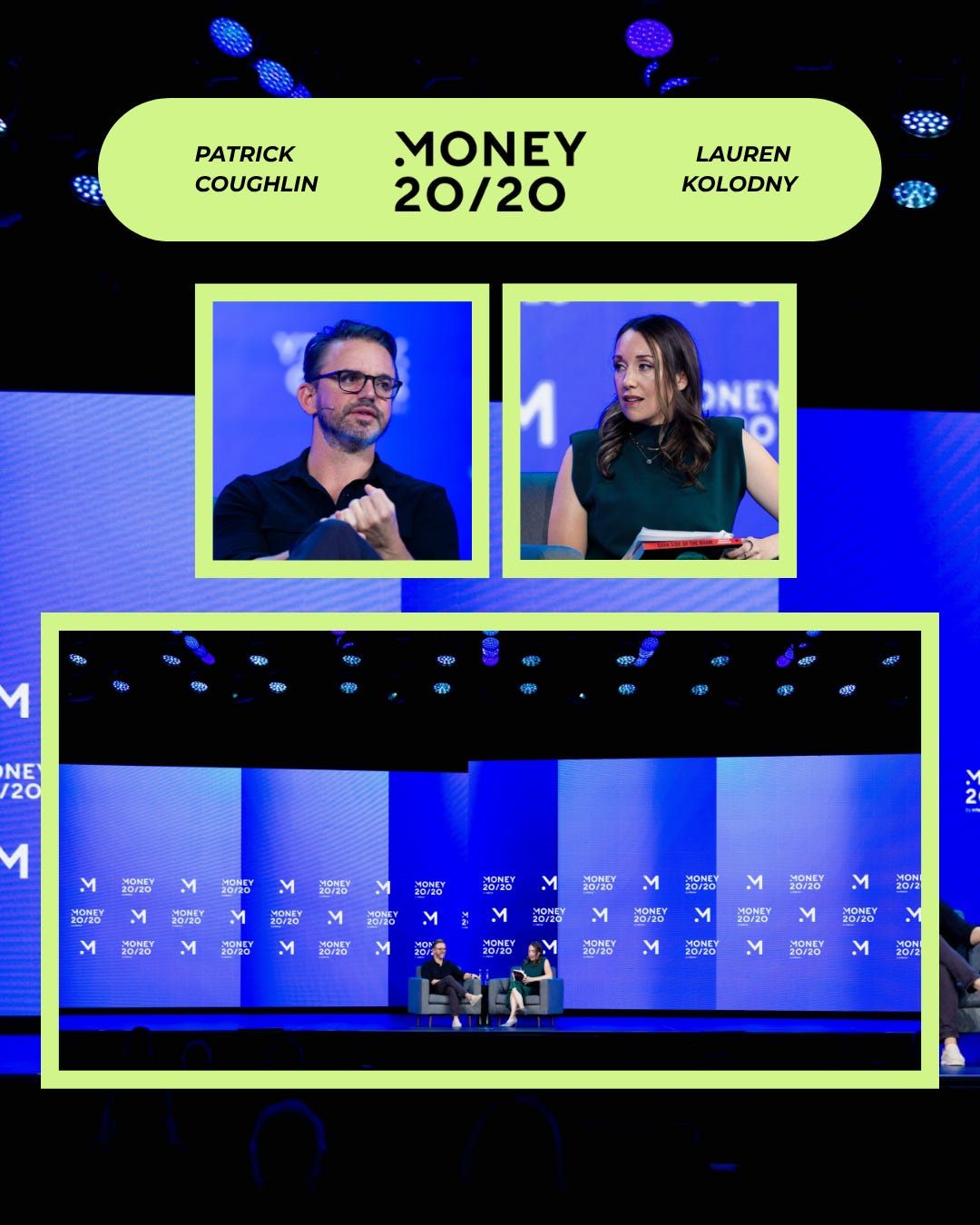
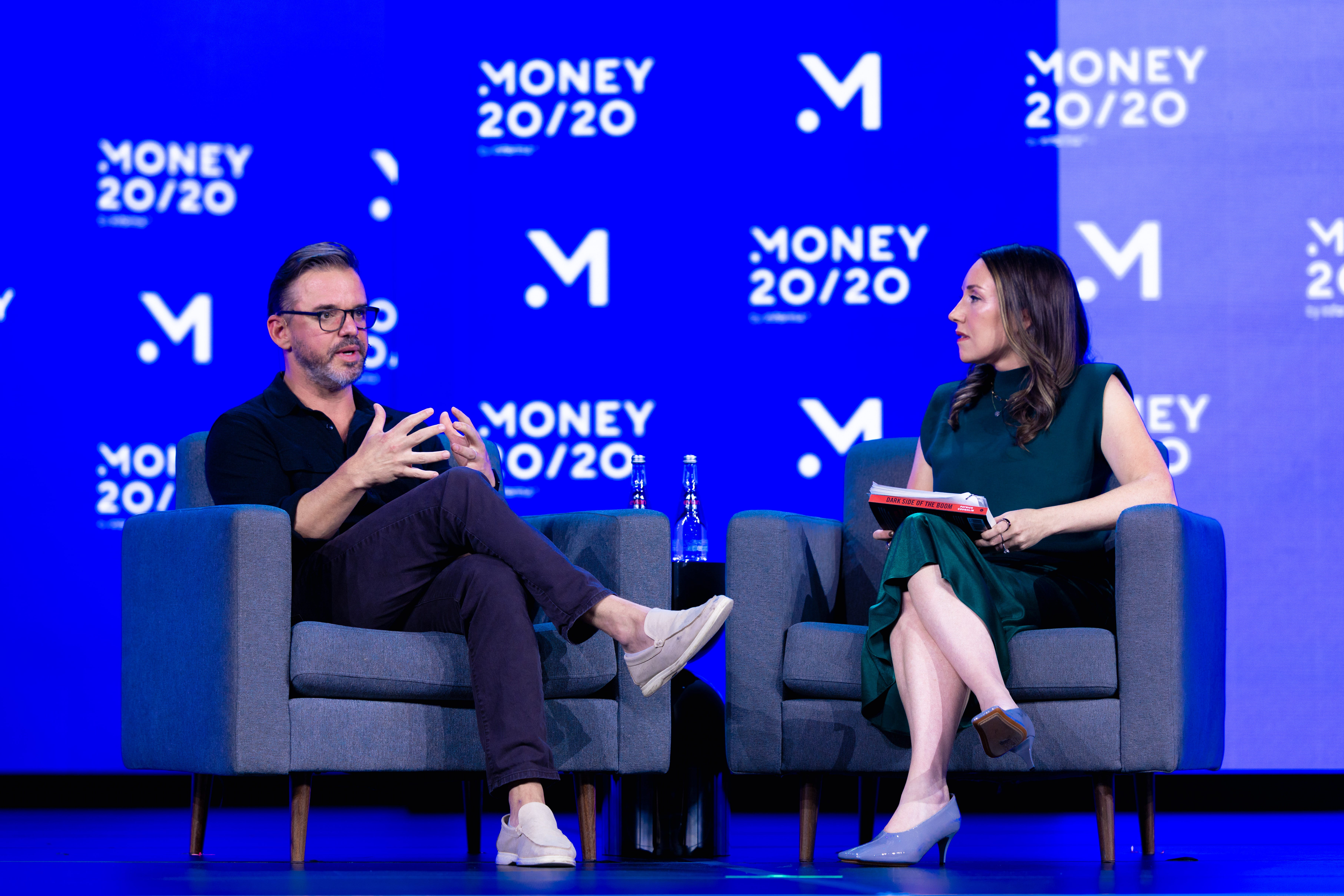
That is the part of my Money20/20 conversation with my friend and Acrew portfolio founder Patrick Coughlin that I keep coming back to. We had 25 minutes on stage, started in a fairly unsettling place, and somehow ended up optimistic. That is how most conversations with Patrick go. He wrote a book about scams this year, built a company to fight them, and still manages to be the most fun person in the room. So I want to use the longer format here to go deeper on the part that matters most for anyone building in fintech or commerce right now.
First, the data
Savi’s free scam checker, Scamwise, published its Holiday Shopping Scam Report the day of our session. It draws on more than 250,000 shopping sites that real people submitted between March and October, over 100,000 of which were judged definitely or likely a scam. A few things stood out to me:
A never-before-seen fake store shows up roughly every three minutes. Call it 500 a day.
Four in five listed a discount that cannot exist. The too-good price is not a tell anymore. It is the business model.
More than half sit on platforms you already trust, with Shopify subdomains the most common address by a wide margin. The platform’s logo does the trust work for them. To Shopify’s credit, it has taken down more than 500 of these since Scamwise reported them.
At least one in five was traced to an ad on a major platform, overwhelmingly Google or Meta. The scam store found you. You did not find it.
Seven in ten are gone within 90 days of being reported. These are pop-ups, not businesses.
Fake holiday-themed stores grew 5x between August and October. The store that gets you on Black Friday probably has not been built yet.
And one more thing Patrick shared with me that I cannot stop thinking about: scam attempts are not evenly distributed. A small fraction of consumers get hit far more than everyone else, because once a scammer finds a good mark, that mark gets sold and resold. Almost nobody is telling those people they are on the list.
Why this is particularly problematic right now
Scam stores were engineered to beat a human: the countdown clock, the model in the sweater, the price that feels too good. Agents do not fall for any of that, which is a real step forward. But they have a blind spot of their own, and it is a different one. They are built to complete the task, and the task we hand them is usually some version of “find me the best price.” The one signal that would make a person pause is the exact thing an agent is optimizing for. That is not a flaw in the agent. It is doing precisely what we asked. The gap is that nobody has given it a way to ask the next question.
And there’s another dynamic unfolding. The biggest retailers are keeping agents out. Amazon has blocked Meta’s Muse, gone to court with Perplexity, and shut the door on dozens of other agents. So when your agent goes hunting for the best price, it gets pushed toward the long tail of the internet. That is great news for small merchants, and I mean that. It is also exactly where roughly 500 new fake stores get reported to Scamwise every day, and without the right controls, it is where the risk lives.
I have believed in agentic payments for a while, and I still do. But removing friction from a transaction also removes a checkpoint. We have seen this movie before in fintech. Every time money got easier to move, fraud got easier to commit, and the industry spent the next few years catching up. This time the checkpoint being removed is the human.
The part where I am still an optimist
And don’t get me wrong, as the human, I am happy to be removed from the buying process for the utility stuff in my life. It gives me time back for the things I actually care about. But every agent I hand a task to is one more surface for someone to manipulate, and I am glad people like Patrick are building the protection for it.
Here is what gives me the most hope. The security playbook for agents is not new. Patrick spent fifteen years defending governments and the Fortune 500, and his read is that machine-to-machine trust is a problem the enterprise world has been solving for a decade.
What has never existed is the consumer version. That is what Savi is building: a layer that vets the store, not just the product, for you and for whatever agent is shopping on your behalf. Think of it as the Honey extension, except instead of hunting for coupons it hunts for the reasons you should not buy. The agents that win consumer trust will be the ones that can show they checked before they bought. That is a product advantage, not a compliance cost, and it is a lot easier to ship when someone like Savi has already built the check.
What else we covered
A few other threads from the session that did not make my LinkedIn post but deserve a mention:
The senior-citizen trope is wrong. Every generation is losing money to scams. Gen Z falls for online scams at multiple times the rate Boomers do.
The innovation gap is more than an order of magnitude. Enterprise security and anti-fraud has compounded for 15 years. Consumers got a spam folder, a blocklist, and a shrug.
The next frontier is agent-to-agent. It is not just your agent getting fooled by a scam store. It is scam agents, running at scale, negotiating with your agent. That is a machine-speed problem and it needs machine-speed defenses.
The ask for banks and fintechs. Open up. You can run every check in the world on the payee, but it is far more valuable to know your customer is on the phone with a scammer right now. Consumers will consent to share that signal. Today there is no pipe for it.
This is not just a US problem. The Global Anti-Scam Alliance puts worldwide scam losses at more than $1 trillion a year.
Patrick, like many of our conversations, that was a journey that started in a bit of an unsettling place and landed with a lot of optimism. And I had fun the whole time.
If you shop online, or you are building anything that shops on someone’s behalf, go read the full Scamwise Holiday Shopping Scam Report. It is free, it is short, and it will change how you look at the next deal your agent brings you.
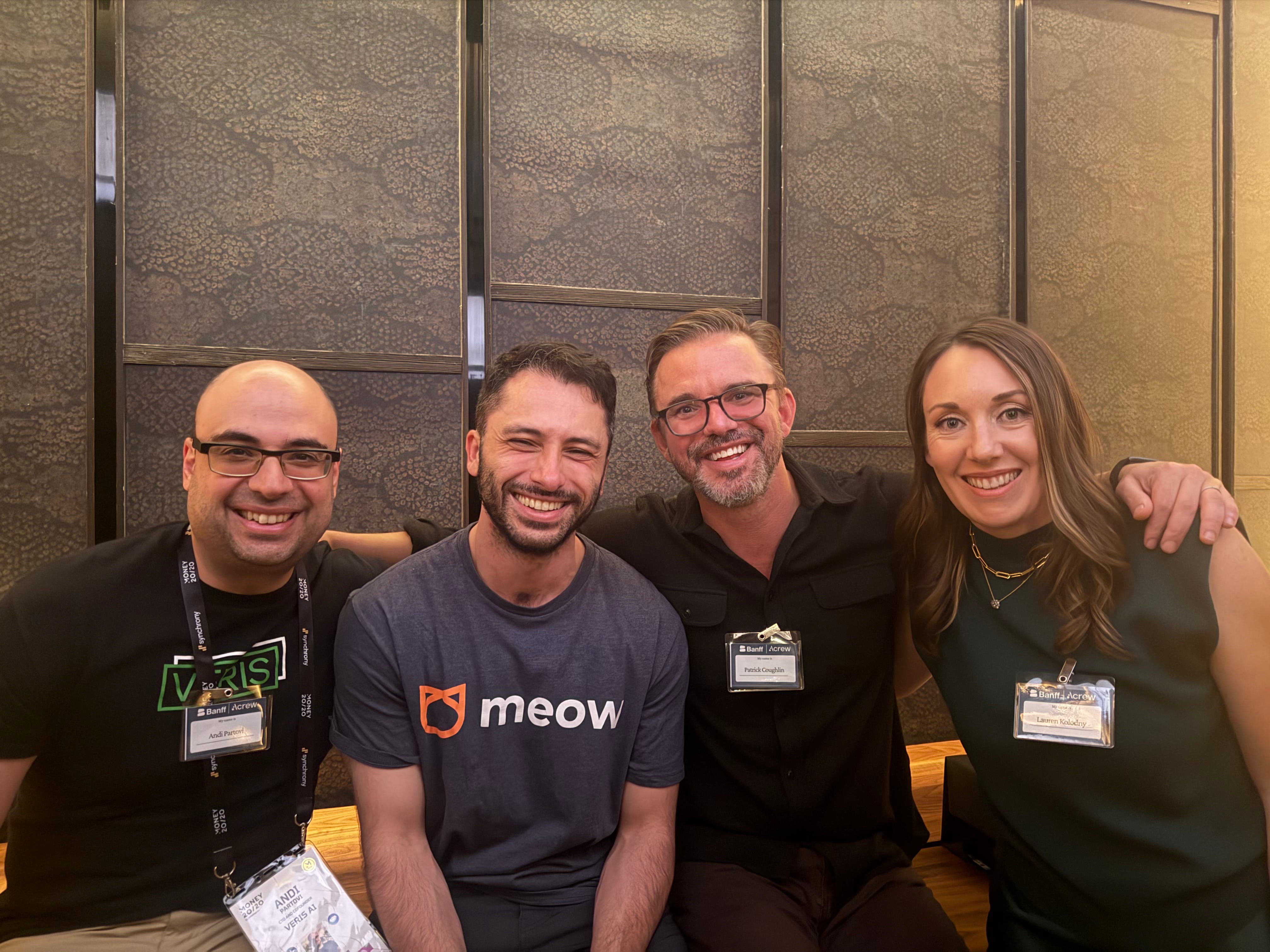
Post-talk gathering at the Acrew Money 20/20 Founder Happy Hour